tips for getting baby to sleep in the crib
For all the tired mamas who have been contact napping, motion napping, and bedsharing and who are ready to help baby to sleep in the crib or bassinet – here are some great tips for smoothing this transition gently and get baby to sleep without sleep training!
Are you ready for baby to do some stretches in the crib but your baby has other ideas? You’ve tried countless times to help baby sleep in the crib but they just don’t seem to take to it! In fact, sometimes it feels as though they outright detest the crib even for the shortest periods! Maybe frustration is rising, resentment is building, or you are desperate for a length of time where you aren’t being touched and you are absolutely ready for your baby to sleep in the crib instead of your arms.

Why Babies Struggles with Crib Sleep
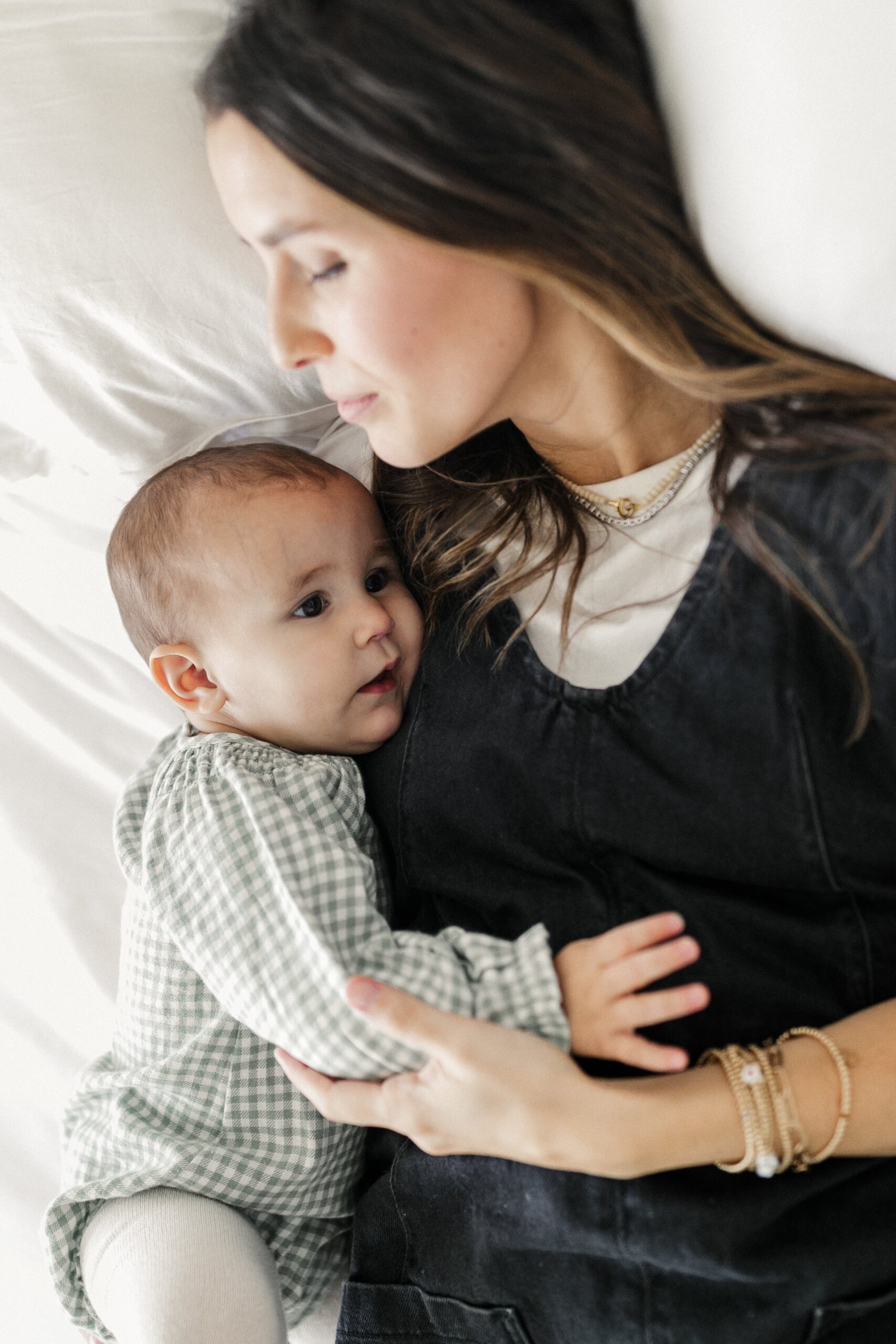
Biologically speaking babies innately dislike the crib. They are hardwired to want to be close to their caregivers to survive and this drive does not just switch off at night. Maybe you’ve noticed – babies just love being with their caregivers! But can you really blame them? Mom’s/caregivers are warm, soft, smell familiar, have gentle rhythmic movement, and the soothing sound of a heartbeat. Cribs however are hard, cold, don’t move, and leave the baby alone with no access to their needs being met. Which would you prefer? The crib is not going to be somewhere they automatically love BUT we can build a positive relationship with the crib so that the baby begins to feel safe and at ease in the space. We can gently and lovingly nudge them to help baby move from co-sleeping to crib.
Busting the Myth
We are often led to believe it’s either or, contact sleeping or crib sleep but this is absolutely not the case. Sometimes mom’s can be scared into thinking that we will confuse babies by not being consistent or spoil them by holding them too much but this just isn’t true! In reality, a mixture of the two can ease the transition and can be the best of both worlds for both mom and baby. You can snuggle and rest when you need to and to be able to put them down when you have things you just really need to get done.

Top Tips To Help Your Make This Transition
So here are some tips for helping transition your baby to sleep in the crib. The first thing to think about is the space. Babies love familiarity to help them feel safe. If this is a new sleep space you can positively familiarize your baby with the crib and help them feel comfortable by having connection time in the area. Lots of singing, nursing, games, laughter, and cuddles so this becomes a warm and loving space for them in their awake periods. Alongside this, before you begin getting your baby to sleep without being held, you can build in some solid sleep associations. Often babies associate their caregiver’s warmth and smell with sleep but you can add to this. Things such as patting, singing familiar sleepy songs, humming, or sshhing will all help with the initial transition. Squirting breastmilk on the sheet or sleeping on the sheet for a few nights so it smells of you can help your baby to feel close to you in this new space. To combat the stark difference in temperature between mom and crib you can preheat the space with a hot water bottle or warm towels so that they aren’t transitioning from a warm snuggly body to a cold crib! Make sure to remove these before you attempt the transfer. These tips will help to resettle your baby once you have transferred, and they are stirring a little and need a little sleep reassurance.
Nailing the Transfer
Once these sleep associations have been layered in, you can begin planning for the transfer. Nailing your timing is important. An undertired baby might resist the nap and think it’s time to play and connect and an overtired baby will have a hard time settling. You can track your wake windows for a few days to try to pinpoint the most effective timings. Once you have got your baby to sleep, timing again plays a role! Too little time before the transfer (10 minutes) and they might not be deeply enough sleep and will wake as you transfer to the crib and too much time before transfer (25 minutes) they might wake up and be done napping completely! One way to check if your baby is in a deep enough sleep is to lift their arm and see if it falls like a ‘limp noodle’, if it does this is a great time to attempt a transfer.
The transfer itself requires a few special tips. Remember no sudden movements! Often when babies are transferred it can feel like they are freefalling which startles them and wakes them up understandably. To combat this, we can place them into the crib butt first at an angle and then slowly lower their head and body down to the mattress supporting their weight with your hands. Don’t remove your hands straight away. Slowly feel your hands out from underneath, one hand at a time, and place some pressure on them to calm and soothe the transition. Another way to place them down is on their side and then once you feel their bodies relax and settle slowly and gently roll them onto their backs. Babies like different methods and over time you will work out what methods and sleep associations effectively soothe your baby.

Keeping the Sleeping Space Safe
When looking to move towards baby naps in the crib you need to ensure the new sleep space is safe. For safe crib sleep there needs to be no bumpers, blankets or pillows. It’s easier to opt for a wearable blanket or sleep sack for warmth. Make sure there are no open windows and wires, and blind cords and curtains are out of reach. Loveys can be introduced after 12 months but pacifiers are considered safe. The other thing to consider is shelving and wall hangings and make sure these are not accessible from the crib.
So if you are looking to transition a baby from sleeping in your arms to sleeping in the crib remember to make sure the sleep space is familiar, your sleep associations are built up and secure, and your transition technique is gentle. Good luck mama!
If you need a more comprehensive guide for ways to help baby sleep independently in the crib, bassinet or floor bed, check out the crib and floor guide from @heysleepbaby.
The Crib Guide and Tender Transitions Course will help you find additional information and a bank of ideas to help facilitate this transition gently.
FAQs: Helping Your Baby Sleep in the Crib
Transitioning your baby to sleep in the crib — whether from co‑sleeping, contact napping, or another sleep space — can feel tough. These are the most common questions parents ask about making that transition gently and successfully. :contentReference[oaicite:1]{index=1}
Why do some babies resist sleeping in the crib?
Babies are biologically wired to want close contact with caregivers, warmth, motion, and familiar scents — all things a crib doesn’t automatically provide. Making the crib feel familiar and safe can help reduce resistance over time. :contentReference[oaicite:2]{index=2}
How can I make the crib feel more familiar and comforting?
Spend positive, awake time near the crib — singing, cuddling, playing and connecting there so it feels safe. You can also add familiar cues like your scent on the sheet before attempting sleep there. :contentReference[oaicite:3]{index=3}
What’s a gentle way to transfer my baby from arms to crib?
Timing is key: aim to transfer when your baby is deep enough in sleep (e.g., their limbs feel relaxed). Lower them slowly into the crib, support their body with your hands, and don’t remove contact abruptly — easing your hands out slowly helps the transition. :contentReference[oaicite:4]{index=4}
Should I warm the crib before putting my baby down?
Yes — pre‑warming the crib with a hot water bottle or warm towel can reduce the stark difference between your body heat and the mattress. Just make sure to remove the heat source before placing your baby in the crib. :contentReference[oaicite:5]{index=5}
Is it okay to build sleep associations around the crib?
Yes — building positive sleep associations (like gentle patting, shushing, a cozy routine or sound machine cues) can help your baby link the crib with comfort and sleep rather than isolation. :contentReference[oaicite:6]{index=6}
What safety tips should I keep in mind for crib sleep?
Make sure the crib meets safety standards (firm mattress, fitted sheet only), with no bumpers, blankets, pillows, or soft objects. Use a wearable blanket or sleep sack for warmth instead of loose bedding. :contentReference[oaicite:7]{index=7}
Should I start with crib naps before overnight sleep?
Yes — giving your baby practice napping in the crib during the day can help them build familiarity and confidence in the space before trying longer overnight stretches. :contentReference[oaicite:8]{index=8}
What if the baby keeps waking up after being placed in the crib?
Keep gently soothing cues ready (patting, shushing, sound machine), offer reassurance without lifting immediately if possible, and stay consistent with routine — it often takes several days of practice for the baby to adjust. :contentReference[oaicite:9]{index=9}
Was this helpful? Save it for later!

binge reads
We think you'll love these


You deserve to the
baby stage, not just "survive it."
And you DON'T have to sacrifice your values, ignore your instincts, or force yourself to follow a method you don't align with just to get your baby back to sleep.
I’m here to help you create a restful, sustainable sleep environment that honors both your baby’s needs AND your own (without the stress OR the guilt!) because, no, you don’t have to choose between the two.
enjoy!
BABY SLEEP COURSES →
BABY SLEEP CONSULTS →
Wish you could help your baby sleep better without resorting to sleep training? Download my FREE guide to a good night’s sleep and learn 8 simple, science-backed tips for supporting your child’s needs.
Traditional sleep training methods don’t have to be your solution to better sleep.


SLEEP TRAINING ISN’T THE ONLY WAY TO GET GOOD SLEEP