WELCOME TO THE HEY SLEEPY BABY BLOG, WHERE YOU’LL LEARN HOW TO
Help Your Baby “Sleep Through The Night”
…orrrrr the closest we can get, because let’s be real:
none of us actually sleep through the night.
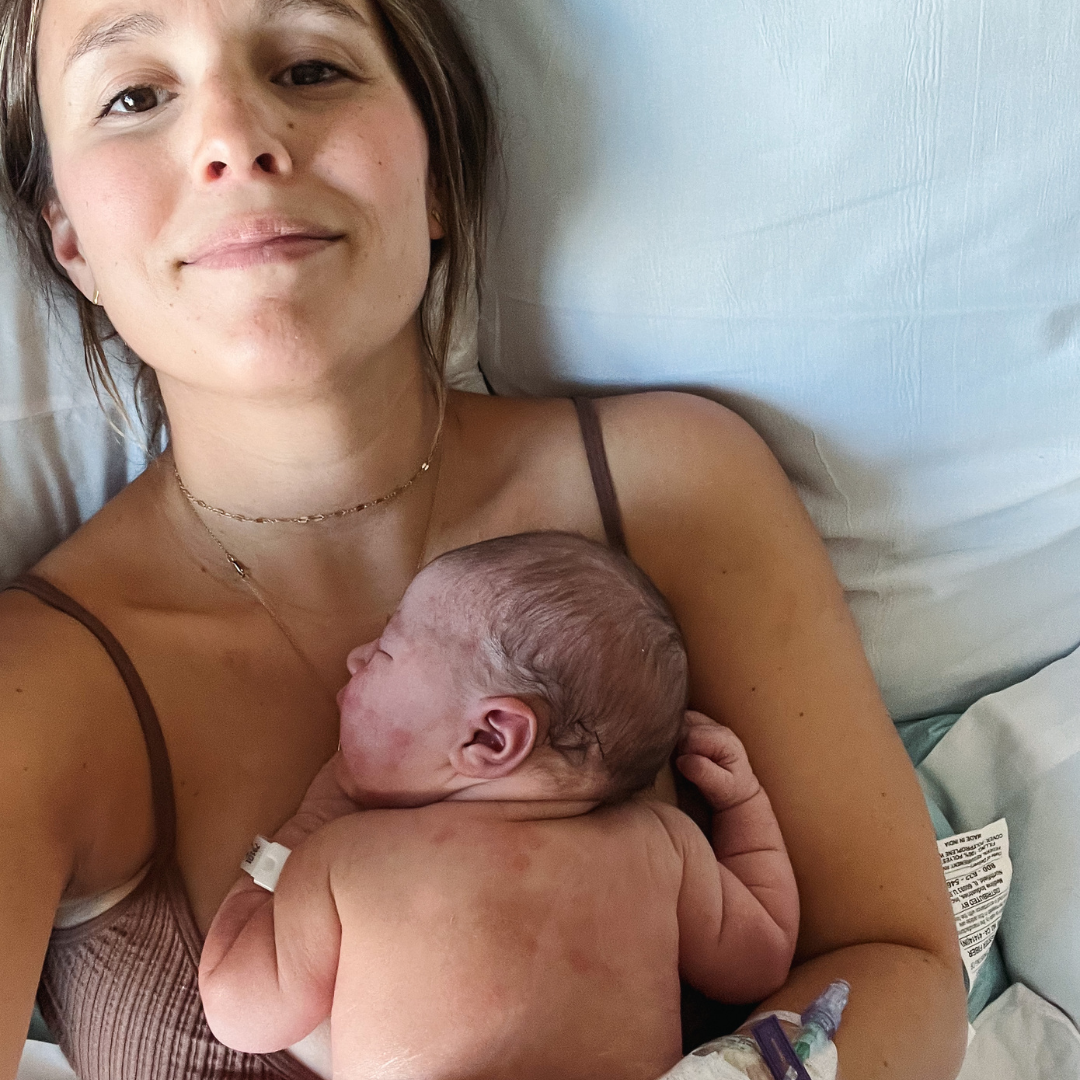
From the moment you announce you are pregnant people begin talking to you about baby sleep! As a society, we are fixated on the subject. Everyone has opinions, experiences, and advice, which feels completely overwhelming. We’ve all heard the warnings ‘Be prepared to never sleep again’ but is this really something to worry so much about?
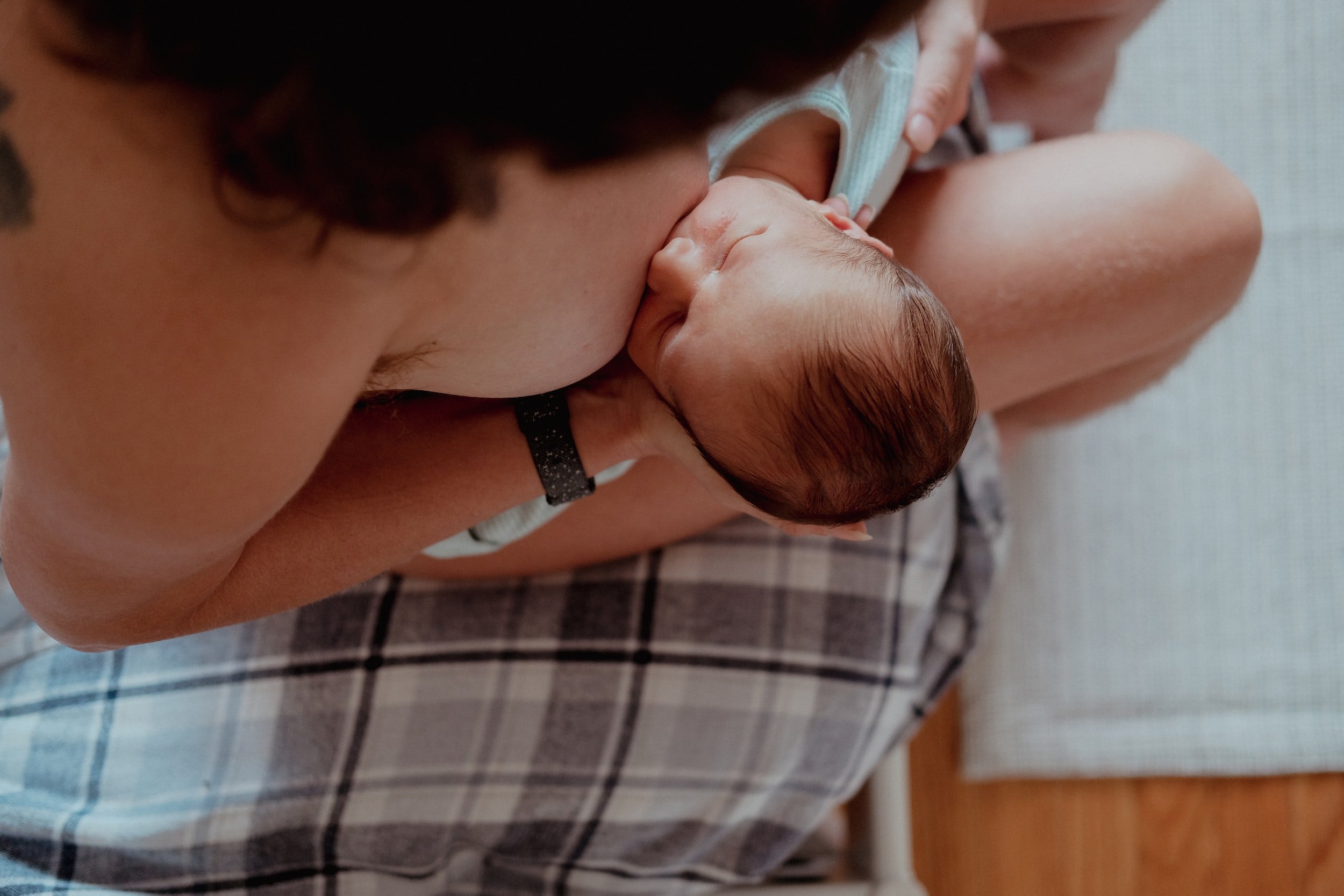
As a baby sleep consultant, I’ve worked with many new parents who have experienced a phenomenon known as “reverse cycling” babies. Reverse cycling in babies occurs when a breastfed infant begins to consume most of their 24-hour intake of milk during the night, rather than during the day. This can be a frustrating and exhausting experience for parents who are struggling to get their baby to sleep during the night. In this blog post, I will explain what reverse cycling is, why it happens, and how parents can cope with it.
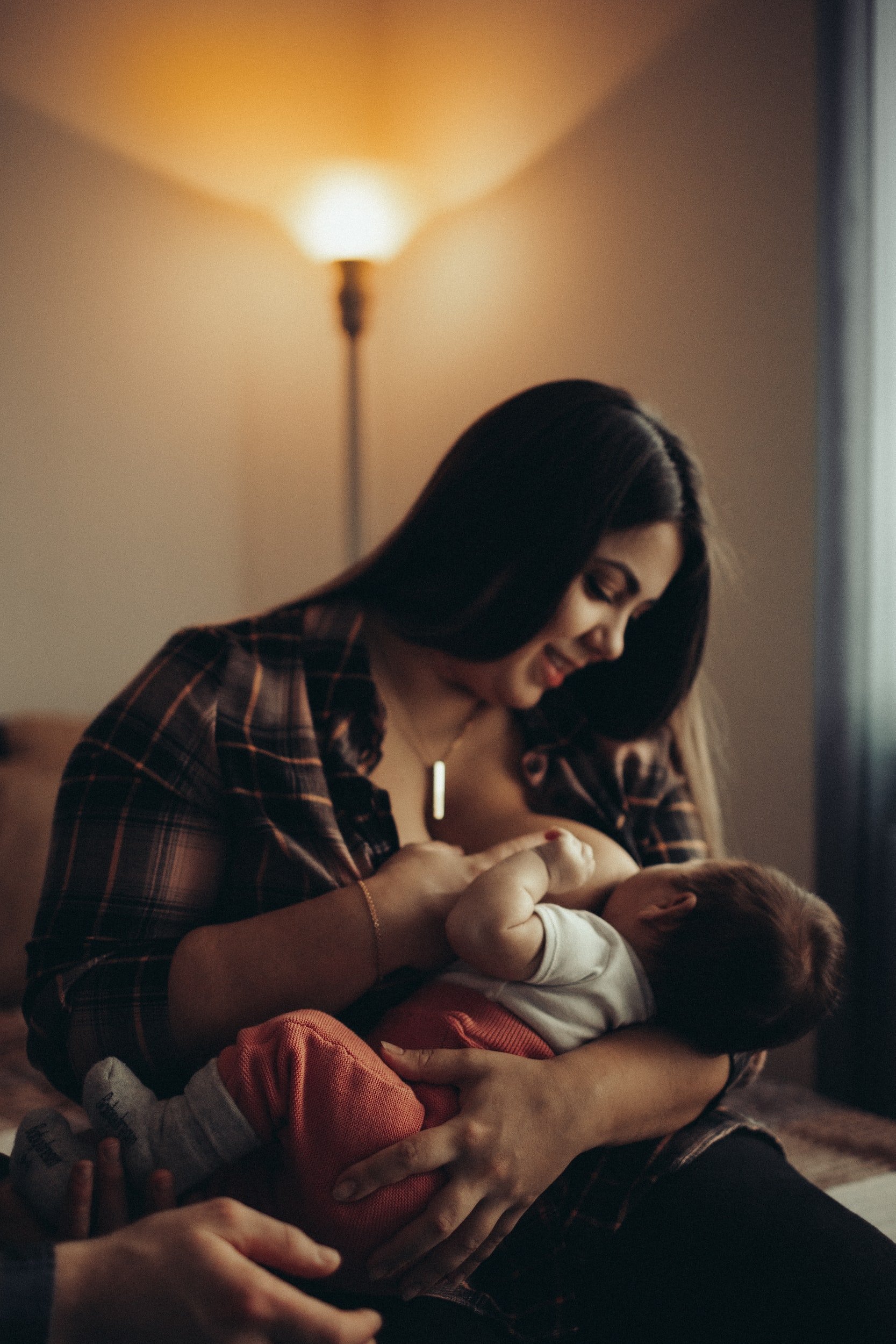
Many parents want to know if their baby is actually hungry at night, and if they should be getting fed overnight at a certain age. Many pediatricians and other healthcare professionals will tell parents that their baby shouldn’t need nighttime feedings by certain arbitrary ages or weights. The truth is that feeding throughout the night IS normal, and depending on the mother/baby dyad, night feeds might last well into the first year and beyond.

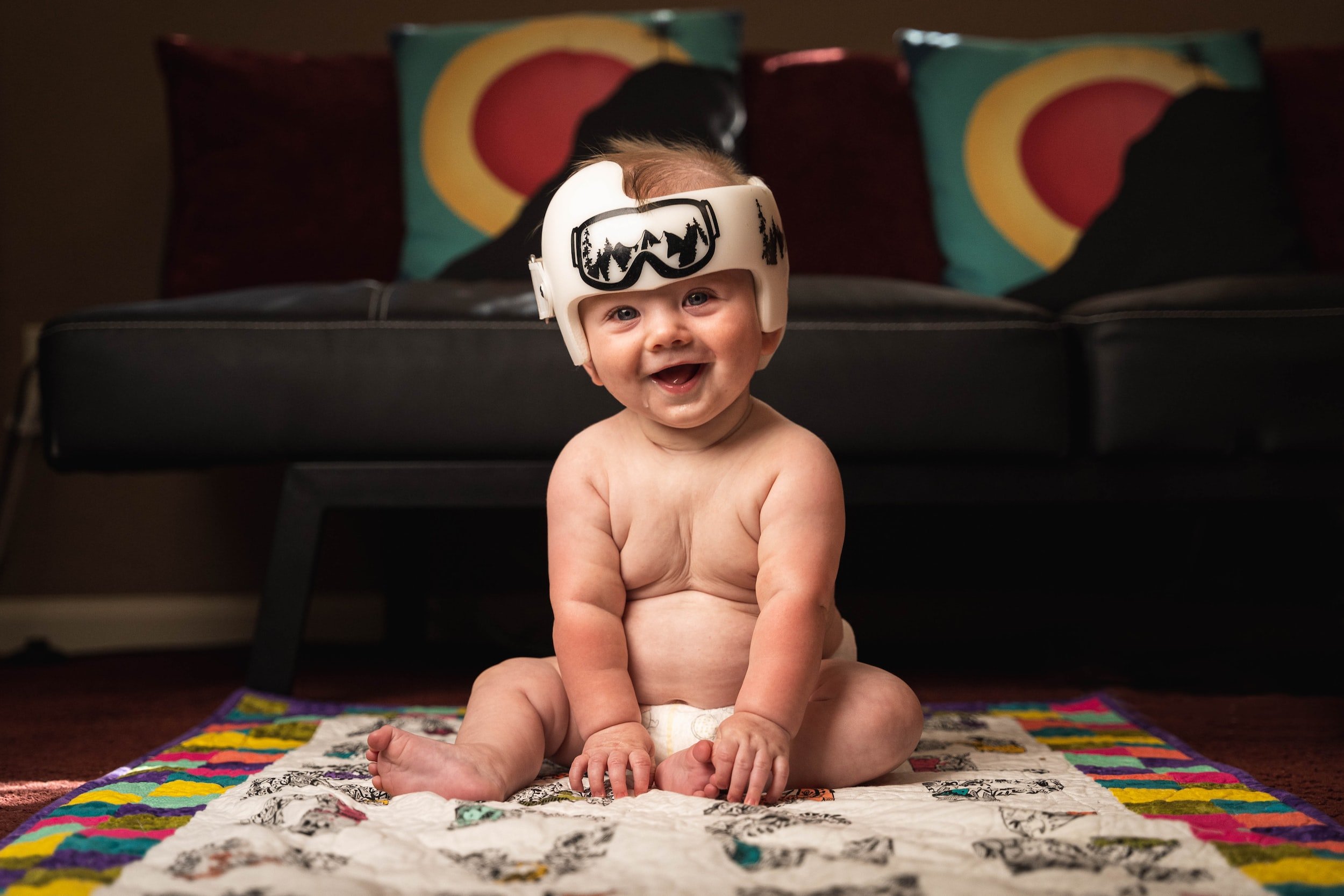
The 6 months sleep regression (or sleep PROgression as I prefer to call them!) might mean your little one’s sleep is backsliding. You may feel like you barely made it through the 4-month sleep regression and now this!? Lots of parents report a sleep “regression” around this age, with noticeable differences in how their baby is sleeping


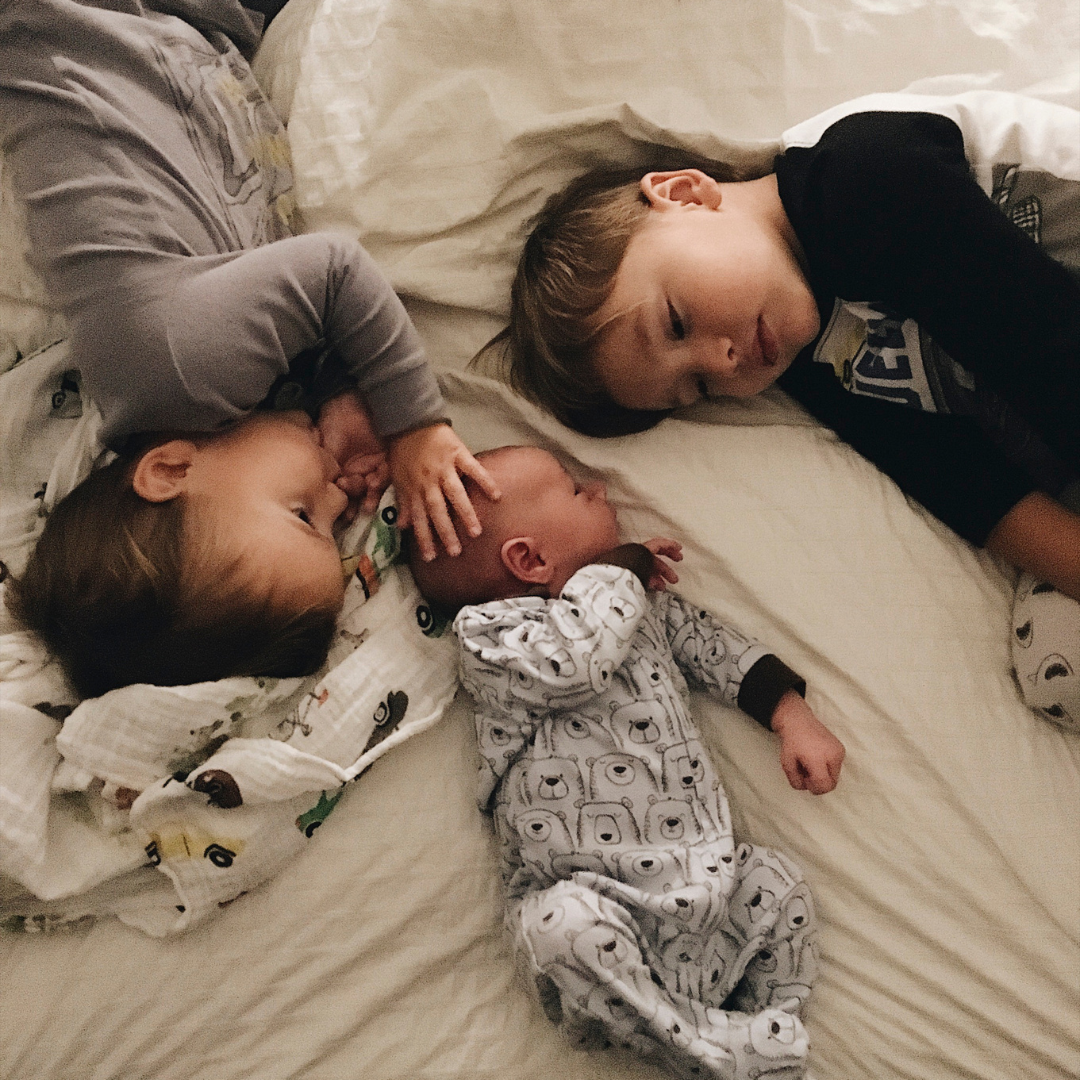
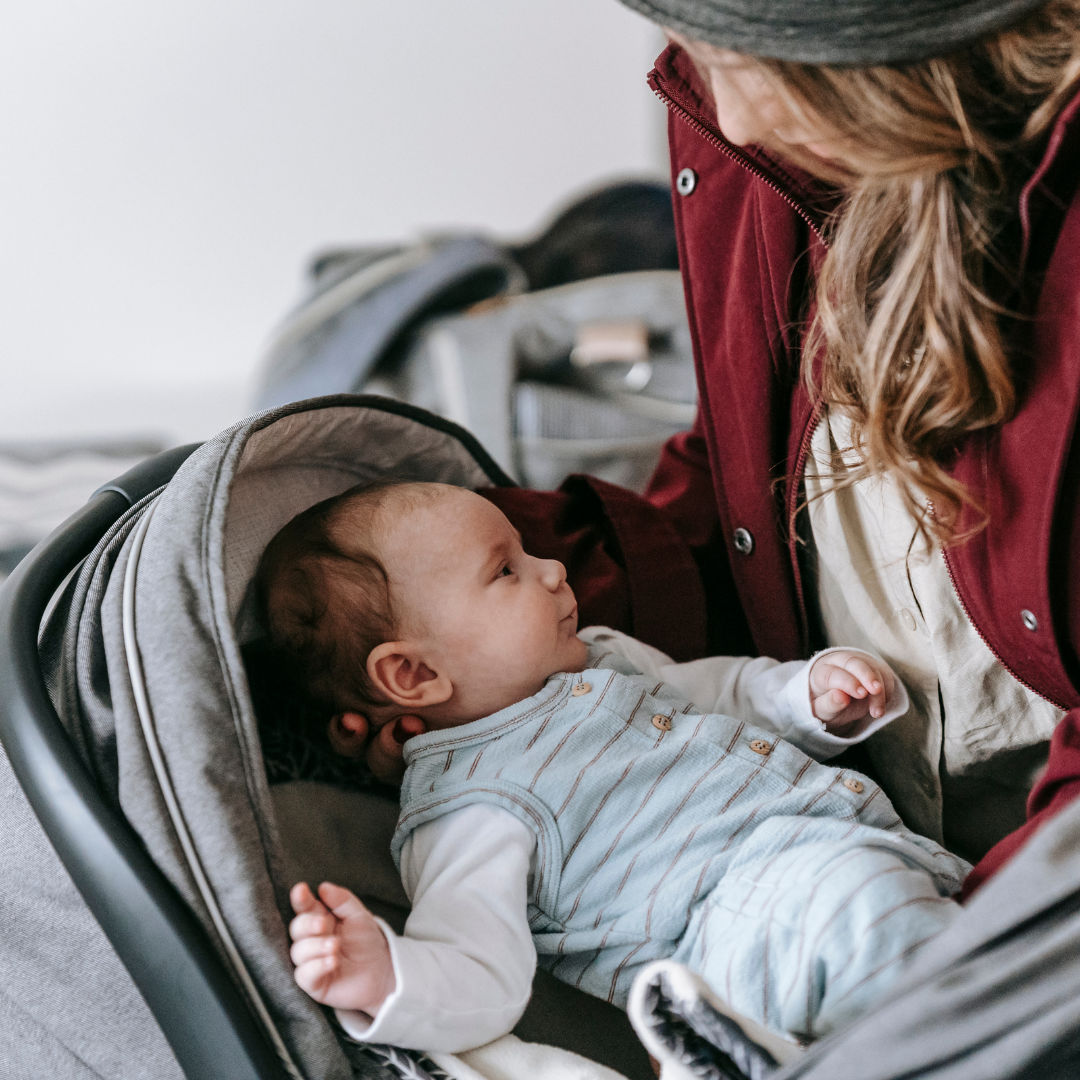

Hey, I’m Rachael— Mom of 3 & Baby Sleep Expert with Big Sis Energy
& I’VE DONE ALL THE RESEARCH FOR YOU ALREADY.


MEET YOUR BABY SLEEP CONSULTANT
You’re wayyy too busy to spend hours researching biologically normal infant sleep, and circadian rhythms of babies, and the best wake windows. So, I’ve done it for you.
If you’ve been looking for a supportive, realistic alternative to the “just sleep train them!” advice you’re so sick of hearing, HI 👋🏼
I’m a Certified Sleep Consultant obsessed with infant sleep research, infant-parent mental health, and helping your babies and bigger kids get better sleep (so you can, too).
THE “NO ONE TOLD US” PODCAST
Parenthood is a wild ride, full of surprises no one prepares you for — but that’s where the No One Told Us podcast comes in, sharing the real, unfiltered stories of parenthood.
From postpartum struggles to navigating toddler tantrums, each episode blends expert advice with candid, relatable conversations. If you’ve ever thought, *WHYYY didn’t anyone tell me about this?* — this is the podcast for you.
What No One Tells You About Parenthood (But Should!)

Wish you could help your baby sleep better without resorting to sleep training? Download my FREE guide to a good night’s sleep and learn 8 simple, science-backed tips for supporting your child’s needs.
Traditional sleep training methods don’t have to be your solution to better sleep.


SLEEP TRAINING ISN’T THE ONLY WAY TO GET GOOD SLEEP