the vestibular system: how you can support your child to develop this sensational sense
The Other Senses
Most people are familiar with the five senses: sight, taste, touch, smell, and hearing. These well-known senses help all of us, and our babies, process the physical environments we live in. However, most people are less familiar with our two internal senses: the vestibular system and proprioception. Both senses are important and learning about them can give you some insights into how your baby experiences the world. This article will focus on the vestibular system but stay tuned for a future post about proprioception.
Vestibular System Explained
The vestibular system lives deep in the inner ear of your body and sends signals to your brain when you experience movement or are moved upon by gravity. If you are curious about how the anatomy works, and love a good visual like me, here is a short 2 min video explanation, and here is a nice visual. TLDW? To put it simply – the body is amazing!
As you can imagine, this vestibular sense plays a big role in your child’s ability to function. In fact, the vestibular system is the very first sense to develop when your baby is in the womb. This system helps enable your child to turn their head down as they prepare for birth.
Specifically, the input from this system helps us:

-
Maintain our balance: when your body changes position, such as leaning over to pick up a toy, the vestibular system registers that change in position. Then, your body sends signals from your brain to tell you how to shift and keep your balance.
-
Coordinate movements that require both sides of the body: when you’re doing activities such as walking or swimming – tasks that require bilateral coordination – the vestibular system allows your body to maintain stability. This is also true of activities that require coordination of your head and eyes, like watching T.V., or reading the lines of a book.
-
Perceive where our bodies are: The other internal sense, proprioception plays a big role in knowing where your body is in space, but in your vestibular system, this happens specifically in your head. This sense is located in your inner ear, thus, this system tells you specifically about the position of your head and whether it’s lying down, upright etc.
-
Helps you to feel safe during movement: some theorize that walking is “controlled falling” which definitely feels true when watching an infant taking their first steps! This system helps you to feel secure when you are running or even during more simple activities like getting out of bed each morning.
Why Is This Sense Important?
As you can see above, these inputs are very important in the day to day functioning of your child. The vestibular system plays an important role in the development of your child and their participation in the following activities:

-
Language development: this is done by the vestibular system as it integrates your auditory and visual senses.
-
Participation in self-care: both the balance required when standing on one leg to put on pants, and the coordination of both arms to fasten a zipper or button a button are aided by this system.
-
Physical play: muscle tone is developed in part by the vestibular system and allows your child the ability to participate in tasks that require use of their big muscle groups. These activities include taking their first steps, running, and sliding on the playground.
-
Fine motor activities: the head-eye coordination that takes place in this system allows your child to maintain a steady visual image when looking at a moving object. This allows your child to read, play sports (by keeping track of a moving ball), and smoothly look up at a white board and then back at their work.
-
Ability to focus: Vestibular input from movement, helps the brain to become and stay alert. This alertness impacts how your other senses function and increases your ability to learn.
-
Self-regulation: As noted above, rapid movements processed in the vestibular system tend to put your body in an alert state. Slow rocking movements, also processed in this system, help your body to calm down. Your child’s ability to respond differently to each kind of input helps them match their response to the cues their vestibular system is providing them. Wondering more about alerting vs. calming activities? Check out these ideas.
Signs Your Child Might Have Challenges With The Vestibular Processing
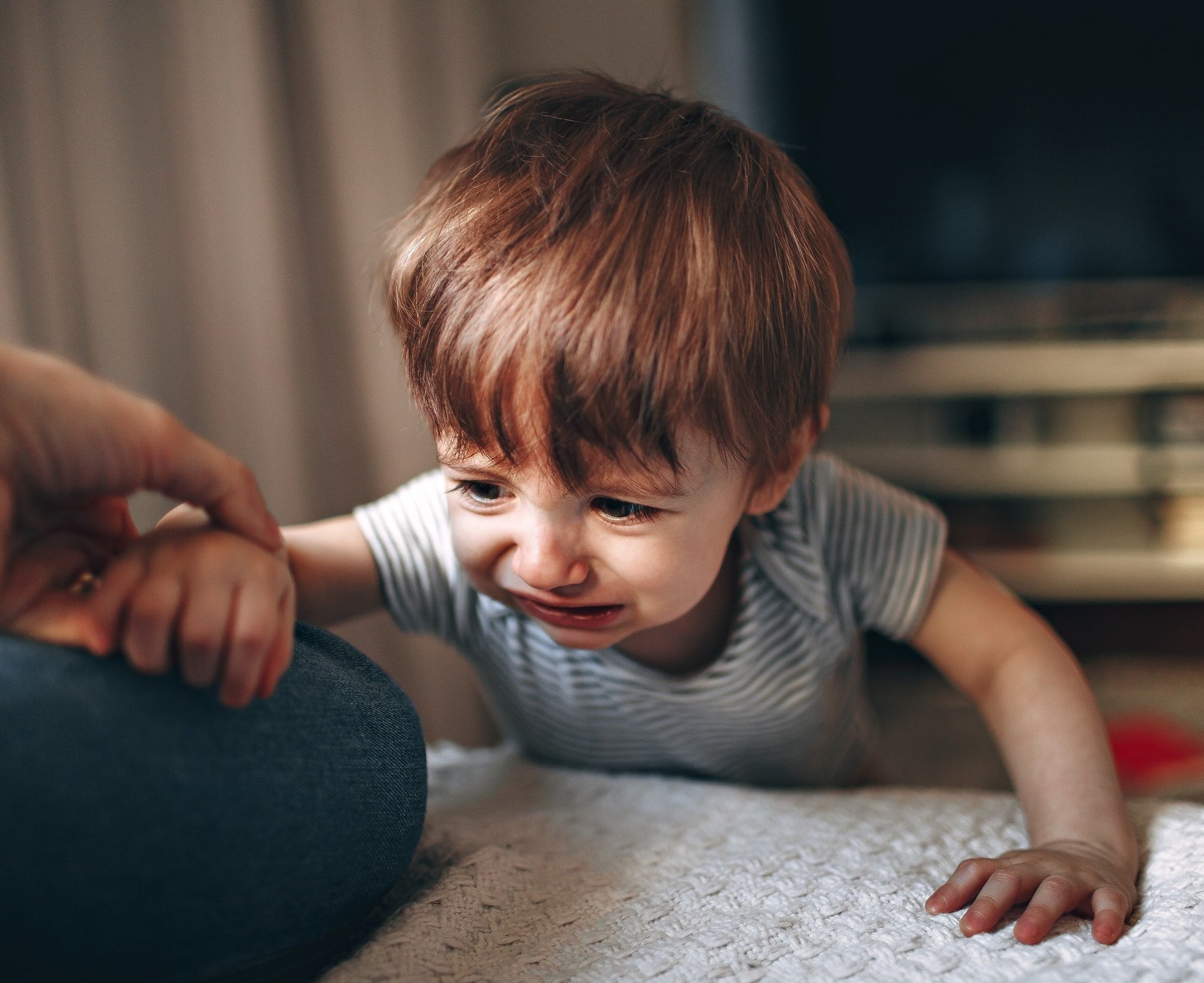
Like any system in your body, the vestibular system can have issues and not work properly. Some signs that your child’s vestibular system is not functioning well could include:
-
Significant clumsiness
-
Delays in developmental milestones
-
Intense negative reactions to having their head tilted back, or having a change in their body position
-
Fear around crawling, walking, or climbing down stairs without adult support
-
Difficulty with fine motor tasks (including tracking with the eyes)
-
Trouble concentrating
If you notice any of these consistently or are concerned, your pediatrician or a pediatric physical or occupational therapist can offer guidance.
What Activities Will Give My Child Vestibular Input?
Since this is a sense, there are many fun, creative ways that you can support your child by giving them vestibular input. As I outlined above, there are many developmental benefits when the body processes vestibular input. Here are a few ideas of how you can help your child receive this important sensation.
Pregnancy
You can actually support your child’s vestibular system even before they are born! Some things you can do include:
-
Gentle activities like yoga, walking, or swimming can give your baby a variety of movement sensations. As always, consult your medical provider before trying new activities in pregnancy.
-
Avoid the temptation to stay stationary. If you are prescribed bed rest, talk to your provider about the possibility of sitting in a rocking chair or swing, and discuss position changes you can make in bed throughout the day. More on this here.
Infancy
(Ideas compiled from several sources, including this great article)
0-6 Months
-
Wear your baby
-
Rocking or cradling
-
Change their positions including tummy time, time on their back, upright, and on their side
-
Limit baby’s time in containers i.e., a car seat, or swing to 2 hours maximum per day (these containers often have your child’s head semi-reclined, which limits their vestibular input)
6-12 Months
-
Encourage rolling
-
Place baby on their tummy on an exercise ball, and roll them, encouraging them to reach their hands to the floor
-
Swinging on a parent’s lap
-
Swinging on an outdoor swing


Toddlerhood & Beyond

12-24 Months
-
Baby yoga
-
Wheelbarrow walking
-
Sitting and bouncing on a ball
-
Dancing
-
Child-safe mini trampoline with handle
-
Walking on grass with gentle slopes
-
Going down toddler appropriate slides
24-36 Months
-
Rolling across the floor
-
Rolling down a hill
-
Hopping & skipping
-
Riding push toys
36+ Months
-
Tricycle
-
Playing “ring around the Rosie”
-
Age-appropriate gymnastics/tumbling class
-
Practicing balance by walking on a curb
-
Hanging from monkey bars
-
Mini wall handstands
-
Tire swing
-
Sing songs with motions
-
Scooter or strider bike (with helmet and protective gear)
Looking for more ideas? Find some great examples outlined here and here.
This sensation is so important for your child, and there are so many fun ways to connect with them while supporting their vestibular development. I hope this article gave you some more understanding of how this system works, the benefits of a healthy vestibular system, and ways you can foster your child’s development of this key sense.
Helping your child wind down starts with understanding how their body experiences the world. If you found this blog helpful in learning how movement impacts your child’s ability to regulate, focus, and rest — you’ll love the Better Bedtimes Guide.
This guide offers:
-
Practical strategies for calming bedtime routines
-
Sensory-friendly tips to help kids feel safe and settled before sleep
-
Step-by-step plans for independent sleep, sibling bedtimes, and night wakings
-
Gentle support for transitioning out of co-sleeping (if you’re ready)
✨ Whether your child needs more movement, more support, or just more connection before bed, this guide helps you tune in and create a rhythm that works for your family.
Were these tips helpful? Save this post for later!
binge reads
We think you'll love these

You deserve to the
baby stage, not just "survive it."
And you DON'T have to sacrifice your values, ignore your instincts, or force yourself to follow a method you don't align with just to get your baby back to sleep.
I’m here to help you create a restful, sustainable sleep environment that honors both your baby’s needs AND your own (without the stress OR the guilt!) because, no, you don’t have to choose between the two.
enjoy!
BABY SLEEP COURSES →
BABY SLEEP CONSULTS →
Wish you could help your baby sleep better without resorting to sleep training? Download my FREE guide to a good night’s sleep and learn 8 simple, science-backed tips for supporting your child’s needs.
Traditional sleep training methods don’t have to be your solution to better sleep.


SLEEP TRAINING ISN’T THE ONLY WAY TO GET GOOD SLEEP