baby sleep red flags
I am asked all the time “is this normal?” when it comes to baby and toddler sleep. The truth is that there is such a wide spectrum of “normal” and so much of how our child sleeps comes down to their temperament. There ARE some things, though, that stand out to me as a sleep specialist which I call “red flags.” These red flags might be signs that there is something underlying (often medical but not always serious!) that is causing your little one to wake more than what I would consider to be “normal” for their age. I encourage parents to look into these red flags, to trust their gut, and to get second opinions when needed.
First, let’s talk about hourly waking and red flags. First of all, hourly wakings are not always a red flag, but they sure are exhausting and if they’ve persisted for a while, they might be cause for further investigation. Sometimes babies go through rough patches where they wake much more than normal. Teething, illness, developmental bursts, travel, separation anxiety etc. can all be culprits for this. Highly sensitive babies also may go through periods of waking very frequently and needing support to get back to sleep. However, if a baby is waking hourly (meaning between every sleep cycle) and needing lots of support to get back to sleep or is very fussy or upset during these wakes, takes a long time to calm down and resettle, etc., then this waking could signify something more going on. Additionally, if your baby wakes this frequently even while cosleeping, and has some of the following symptoms, it may be a red flag.
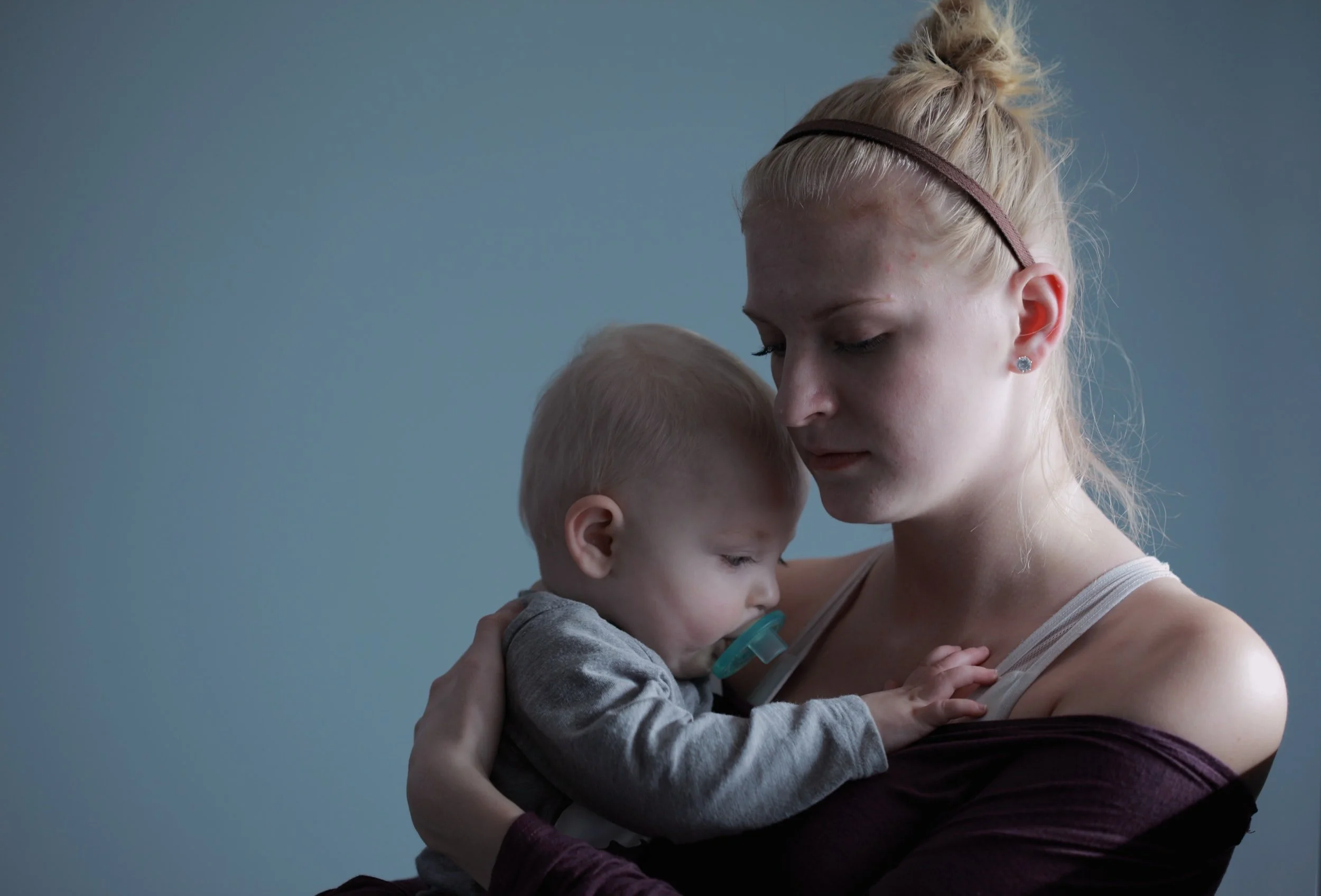
What is hourly waking and when is it a red flag?
Hourly waking is pretty much what it sounds like: when your baby is waking up approximately every hour, most of the night, or all night long. There are a few reasons this might be happening, but remember it’s not always something you need to panic over!
The first thing to understand is the infant sleep cycle. Unlike adults, babies have short sleep cycles that range from about 50 to 60 minutes. This means that when they’re waking up every hour, they are simply between sleep cycles. Even though adults have longer sleep cycles, we briefly week between each one as well. Usually we are able to fall right back asleep and enter the next cycle, and don’t even remember these wakings (unless we need some thing like to pee or get a drink, or if we’re sick or uncomfortable, etc.).
Now let’s talk about temperament. When babies wake between sleep cycles, they are essentially doing so to be sure they are still safe, and to signal to the parent if they aren’t. They may also signal if they have a need, like if they’re wet, cold, hungry, or simply lonely. They may also signal if they have a nervous system that relies more heavily on their caregiver soothing them back to sleep via sucking, motion, or contact. More intense, highly sensitive babies are likely to be these “signaler” types and might require more parental support to connect sleep cycles for a while.
what should I look out for that could indicate a concern?
There are some symptoms to look out for that COULD indicate a concern, especially when paired with very frequent and persistent wakings such as…

-
Mouth breathing or snoring
-
Gasping or pauses in breath
-
Screaming when waking
-
Obvious discomfort or pain
-
Taking a long time to settle back down
-
Feeding issues or tongue ties
-
Physical symptoms like rashes/eczema
-
Frequent congestion
-
Very restless sleep, especially with legs thrashing
While we do expect most babies to be able to sleep for at least a couple of sleep cycles at a time, the reality is that some simply always need more support between cycles, and hourly waking is not always a red flag in and of itself. It’s always good to rule things out just in case, though, especially if you notice any of these symptoms as well.
Step 1- Rule Out:
-
Sleep progression/developmental burst
-
Teething
-
Illness
-
Feeding issue
-
Separation/big change in the family
-
Environmental or sensory factors
Step 2- Consider Oral Ties or Airway Issue
Undiagnosed or unaddressed oral ties can cause airway obstruction among other things. Enlarged tonsils/adenoids, sleep apnea, and other disordered breathing conditions can cause disrupted sleep. This is not medical advice however, you should always consult with a trained pediatric dentist or ENT.
Step 3- Consider Allergies
Food sensitivities or allergies can be a big red flag for frequent waking especially if there are other symptoms like rash, stool issues, congestion etc. or if your baby seems really distressed or in pain when they wake up. Consider speaking with a Lactation Consultant who may recommend an elimination diet of common allergens such as dairy, soy, and gluten to see if you notice any change. This takes a few days. Again, consult with a pediatrician, IBCLC, naturopath, or allergy specialist right away, especially for severe symptoms like changes in breathing, color, or bloody, foamy or mucousy stools.
Step 4- Check Iron Stores (ferritin)
Iron deficiency/anemia are linked to poor nighttime sleep, restless leg syndrome, and insomnia. Your baby has a higher chance of being low in iron if you were low in pregnancy, if they were born prematurely, or if there was no delayed cord clamping at birth. This is most commonly an issue after six months, as most babies will have a sufficient iron store until then, especially if breastfed. Consult your doctor to check your babies blood for ferritin (blood protein that stores iron). Levels under 50 can disrupt sleep.
Step 5- Take Care of Yourself
Hourly waking is NOT normal and it’s HARD. It’s not a sustainable situation for anyone. While you got to the bottom of what’s going on with your baby, be sure you’re taking care of yourself. Go to bed early, nap when you can, and consider doing shifts if you have a partner. Practice adding in more sleep associations for your baby so that there are other ways of soothing them to sleep other than breastfeeding so you can share the load. If you have someone who can watch your baby for a while to take a nap, DO IT! Outsource what you can and let some things go for now.
I hear pretty much every day from people saying that they bring issues like this up with their pediatricians and are brushed off. Most of them say they’re told to sleep train or to stop nursing to sleep as if that will fix the problem. Nursing to sleep is absolutely NOT the reason that your baby can’t sleep for more than an hour at a time. There are millions and millions of babies that nurse to sleep and can sleep for long stretches or even through the night. The only way that feeding would be the culprit for this is if there were some type of allergy, reflux, or some other condition that was exacerbated by your baby feeding and becoming uncomfortable.
Then the other thing is sleep training. Doctors, spouses, family members, etc. often want us to sleep train so that we will stop complaining about our babies waking up. For some babies, sleep training does cause them to stop signaling for you, so parents assume they’re sleeping through the night and get so excited that it worked. But studies have shown that sleep trained babies actually wake up just as much as non-sleep train babies. They just won’t cry out for you each time. So this is in fixing any potential issue that your baby is going through and it could pop back up at any time.
Download my FREE advocacy guide and learn how to spot possible medical red flags, track symptoms, and talk to your child’s healthcare provider with clarity and confidence.
If you are currently suffering from hourly wakings, please make sure to consult with your doctor to rule out anything more serious. You can also book a consultation with our team to help you figure out which professionals are best to address your unique situation.
Hang in there!
FAQs: Baby Sleep Red Flags
If your baby is waking constantly and nothing seems to help, you’re not imagining it — and you’re not alone. Here are some of the most common questions parents have about sleep red flags and what might be going on under the surface.
Is it normal for my baby to wake every hour at night?
Frequent night wakings can be developmentally normal, but hourly wakings that persist beyond the newborn phase may indicate an underlying issue — especially if your baby is unable to link sleep cycles without significant help. Look for patterns and additional symptoms that could signal a deeper cause.
When should I be concerned about my baby’s sleep patterns?
Concern may be warranted if your baby is consistently waking every sleep cycle (roughly every 45–60 minutes) and showing signs of distress, pain, or poor sleep quality. Other red flags include mouth breathing, snoring, restlessness, feeding challenges, or seeming more tired during the day than they should be.
What sleep issues could be caused by oral ties or tongue ties?
Oral restrictions like tongue or lip ties can make feeding inefficient and lead to frequent waking due to hunger, discomfort, or poor latch. If your baby dribbles milk, has trouble transferring milk, or seems unsettled during or after feeds, it’s worth evaluating oral function with a specialist.
Could my baby have a sleep disorder like sleep apnea?
While rare in infancy, pediatric sleep apnea can occur. Warning signs include loud snoring, gasping, mouth breathing, or observed pauses in breathing during sleep. If you’re seeing any of these, consult with a pediatric sleep specialist or ENT for evaluation.
Can food allergies or intolerances affect baby sleep?
Yes — hidden intolerances or allergies (like dairy or soy protein intolerance) can cause discomfort that leads to night waking. If your baby has ongoing digestive issues, rashes, congestion, or reflux alongside sleep difficulties, talk to your pediatrician about potential food sensitivities.
What role does iron play in infant sleep?
Iron deficiency can impact sleep quality and restlessness. If your baby has symptoms like poor weight gain, pallor, or extreme wakefulness, a simple blood test can check for iron levels. Always consult your pediatrician before supplementing.
Should I try to sleep train if my baby has these symptoms?
No — sleep training can mask or worsen the problem if there’s an underlying issue. It’s important to rule out medical or physical contributors before attempting any sleep training method. A responsive, developmentally appropriate approach is always best.
Who should I talk to if I suspect something is off?
Start with your pediatrician, and consider adding an IBCLC, pediatric OT, ENT, or airway specialist depending on your concerns. Trust your gut — you know your baby best, and if sleep feels harder than it “should,” you deserve answers and support.
Was this helpful? Save it for later!

binge reads
We think you'll love these



You deserve to the
baby stage, not just "survive it."
And you DON'T have to sacrifice your values, ignore your instincts, or force yourself to follow a method you don't align with just to get your baby back to sleep.
I’m here to help you create a restful, sustainable sleep environment that honors both your baby’s needs AND your own (without the stress OR the guilt!) because, no, you don’t have to choose between the two.
enjoy!
BABY SLEEP COURSES →
BABY SLEEP CONSULTS →
Wish you could help your baby sleep better without resorting to sleep training? Download my FREE guide to a good night’s sleep and learn 8 simple, science-backed tips for supporting your child’s needs.
Traditional sleep training methods don’t have to be your solution to better sleep.


SLEEP TRAINING ISN’T THE ONLY WAY TO GET GOOD SLEEP